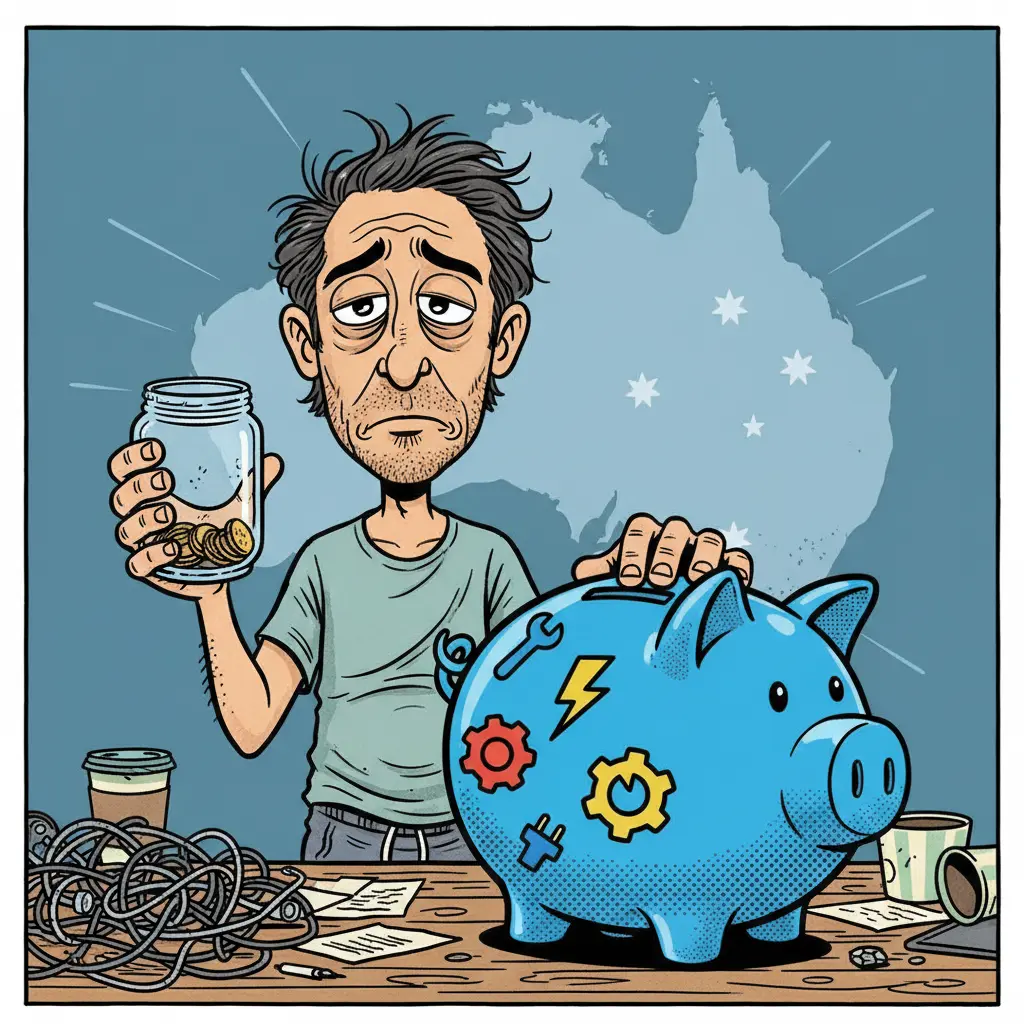
An independent WordPress plugin developer has revealed that after nine years of work their plugins now earn just $38.50 a month. That single figure captures a growing debate: when plugin authors rely on one-time payments, recurring revenue for updates and support evaporates. For small business owners in Australia this matters - your website's uptime, security and revenue depend on ongoing maintenance, not one-off purchases.
This story isn't just drama for developers. It's a practical warning for anyone who depends on WordPress to sell products, capture leads or run bookings. Plugins can fail, conflict with other components or become insecure if they aren't actively maintained. When the people who make those plugins can't afford to continue, the risk shifts to site owners. That's why understanding hosting and support options matters more than ever.
Independent reporting and community discussion on platforms such as the official WordPress news feed and developer forums show the trend is real. Many authors and small companies now say one-time sales do not fund ongoing development and paid support packages are often ignored by buyers. The outcome is predictable: fewer updates, slower security fixes and higher long-term costs for businesses that rely on those plugins. For context, see the WordPress news section for community updates (external link).
Small business owners usually choose WordPress because it is flexible, cost-effective and well supported by a global ecosystem. But flexibility comes with responsibility: you must ensure performance, security and backups are handled reliably so your website doesn't become a liability. Managed WordPress hosting takes those responsibilities off your plate and places them with experts who specialise in the platform.
Here are concrete benefits you should expect from a managed host: fast page load times, consistent uptime, regular security monitoring, automatic backups with easy restore points, staging environments for safe updates, and expert support that understands WordPress and WooCommerce. These are not optional extras; they're insurance against downtime, lost sales and reputational damage.
For Australian businesses, local managed hosting brings extra advantages. Hosting on servers located in Australia reduces latency for domestic customers, which improves page speed and conversion rates. Local providers also understand Australian compliance considerations and can offer support in your time zone and local business hours. If you need tailored, in-person help, look for hosts that provide local WordPress help and services—Ed Hosting offers local assistance through its Geelong WordPress help page for those in the region: WordPress Help.
When a plugin creator shifts away from maintenance because of poor recurring revenue, the direct consequences can include delayed security patches, compatibility problems with new WordPress versions and increased risk of site breakages. For a small ecommerce store using WooCommerce, that could mean checkout failures and lost sales. For a service provider, it could mean missed bookings and frustrated clients.
Managed hosting professionals proactively test updates, run staging sites and implement compatibility checks before pushing changes live. They also provide monitoring and rapid rollback options so if a plugin update causes an issue, your site can be restored quickly. This kind of operational resilience is exactly what a single-developer ecosystem often cannot deliver alone.
Performance influences search rankings, conversion rates and user experience. A managed host optimises server configuration specifically for WordPress - caching, PHP tuning, database optimisation and content delivery strategies - to keep your site quick under load. Good hosts also offer uptime monitoring so problems are identified before customers notice them.
Backups are your last line of defence. Managed hosting plans include automated backups and clear restore options. If a plugin becomes unsupported or malicious, you can revert to a safe version of your site while a developer diagnoses the issue. Security measures such as web application firewalls, malware scanning and timely core updates reduce the likelihood of a breach in the first place.
Support should be measured by outcomes - can the host fix a broken checkout in business hours? Can they coordinate with plugin developers or provide temporary custom fixes while you migrate to a supported solution? These are the real-world questions that separate basic hosting from true managed WordPress hosting. If you want to compare managed plans, start with a provider that lists these capabilities clearly: Managed WordPress Hosting.
1. Audit your plugins and dependencies. Identify any third-party plugins that are critical to your revenue. Check how often they receive updates and whether the author offers paid support. If a plugin looks risky, plan for a replacement or a contingency.
2. Move to a managed host that guarantees backups, monitoring and WordPress-specific optimisation. A managed host will also provide staging environments so you can test updates safely. If you need general hosting information, start here: WordPress Hosting.
3. Budget for ongoing maintenance. Think of hosting, updates and paid support as operating expenses, not one-off costs. Many businesses find that a small monthly investment in managed hosting avoids much larger costs from downtime, lost sales and emergency fixes.
4. Use local expertise when possible. Australian hosts understand local performance expectations, data sovereignty and compliance. They also speak your time zone, which matters when urgent issues arise. If you run affiliate or partner programs, consider how your hosting supports those relationships; Ed Hosting has an affiliate option you can review at Affiliates.
5. Have a recovery plan. Know how to contact support quickly and how to restore backups. Confirm your hosting plan includes predictable, measurable support hours and response times.
Each of these steps reduces your exposure to the market forces the indie developer described. When plugin authors can't sustain their work, your hosting and support choices can keep your business moving.
Choosing the right host isn't just about speed or price. It's about predictable outcomes, accountability and knowing someone will be on hand when something goes wrong. Managed hosts with an Australian presence can provide the monitoring, security and local support that make a difference for small businesses that can't afford downtime.
If the story of one developer earning only $38.50 a month reinforces anything, it should be this: one-time payments shift risk from the provider to the customer. As an owner or decision maker, you can reduce that risk by investing in a managed hosting plan that includes maintenance, backups and expert support. For a deeper conversation about how managed hosting could protect your site and revenue, contact the team at Ed Hosting through the contact page: Contact Us.
We're available to review your current setup, recommend plugin-safe alternatives, and outline a migration plan with minimal disruption. If you'd like help right away, reach out and we'll walk through the options for performance, uptime and security tailored to your business needs.
Protect your site, protect your revenue—consider managed WordPress hosting as essential business insurance, not a luxury.
Ready to secure your WordPress site? Get bespoke advice and support from WordPress hosting experts who understand Australian businesses. Contact Us to schedule a review and get a clear plan for resilience and growth.
Prefer a softer step? Browse managed hosting plans and learn more about options that include backups, staging and priority support at our managed hosting page: Managed WordPress Hosting.