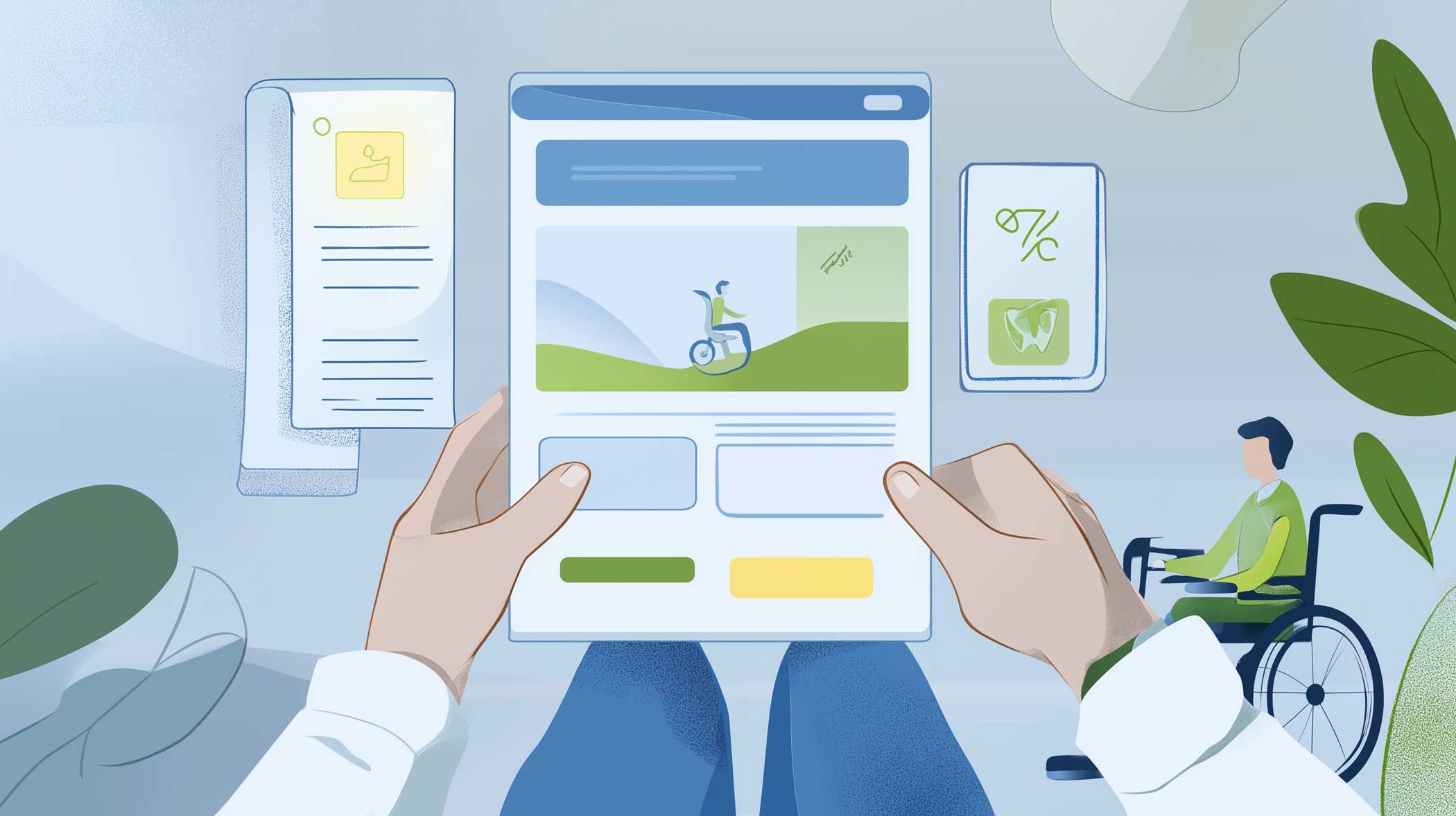
If you’re an NDIS provider in Geelong or regional Victoria, your website is often the first interaction a participant or their support coordinator has with your business. It’s not just a digital flyer — it’s a trust-building tool. And in the disability support space, trust is everything.
NDIS participants are navigating complex choices. They need to know who you are, what you do, and whether you’re the right fit — often in under a minute. Your website needs to feel safe, accessible, and human.
Here’s what NDIS participants (and their carers) look for when they visit a provider’s website — and how you can make sure your site delivers the right first impression.
Participants want to know what you actually do — quickly. If you offer occupational therapy, support work, plan management or psychosocial recovery coaching, say it plainly. Avoid vague descriptions like "holistic wellbeing journeys" unless it's backed by detail.
Each service should have its own page or clearly outlined section with:
Tip: The clearer your services are, the fewer pre-screening calls you’ll need to field — saving you time and making the participant feel confident before they reach out.
NDIS participants are looking for people they can feel safe with. A faceless site with stock photos won’t cut it. Instead, show the real humans behind your business:
A short video introduction or welcome message can be even more powerful — it helps build rapport instantly, especially for neurodivergent users who rely on tone and expression to feel safe.
Your website should work for all users — including those using screen readers, keyboard navigation, or needing high-contrast visuals. Accessibility is more than a checkbox; it’s a sign you care about inclusion.
Basic accessibility wins include:
Building on WordPress with accessible themes, plugins, and hosting that supports fast load times is a good foundation. EdHosting’s servers are optimised for WordPress and compliant with Australian privacy and accessibility standards.
Many carers and participants access the web via mobile. Your site needs to:
Google prioritises mobile-friendly sites in its search results — so a good mobile design also improves your local visibility when someone searches “NDIS speech therapist Geelong” or “NDIS support worker near me”.
Participants should be able to contact you without jumping through hoops. Include:
If you work in mental health or high-support needs, consider a “Book a Free Intro Call” option — it lowers the barrier for participants who feel anxious about making contact.
NDIS participants often come from vulnerable backgrounds. Trust must be earned. Some of the most effective website trust signals include:
It’s worth noting that many NDIS participants have had bad past experiences. A warm, professional site can be the deciding factor that helps them feel you’re a safe, respectful option.
Geelong is diverse. Reflecting that in your language and imagery matters. If you work with Indigenous clients, for example, acknowledge Country and make it clear you understand cultural safety.
Local references help too. Mentioning suburbs like Grovedale, Highton, or North Geelong adds familiarity — and helps with SEO for local searches.
NDIS data is sensitive. If your website has any forms or stores participant details, it must be secure, SSL-certified, and hosted in Australia to comply with local privacy laws.
EdHosting provides website hosting for small business with Australian servers, daily backups, and real-time support. This reduces the risk of downtime and helps protect you from data breaches or email failures.
Don’t risk putting your reputation in the hands of offshore hosting or free website builders that can’t guarantee compliance.
Your NDIS website doesn’t need to be flashy — it needs to be reassuring, respectful and useful. A clean layout, friendly tone, and secure infrastructure do more for trust than fancy animations ever could.
If you’re unsure where to start, we can help. Whether you need hosting, a website refresh, or a full rebuild with accessibility in mind — contact us today for a no-pressure chat.
Your website is more than a page. It’s a promise. Let’s help you make it one worth trusting.